

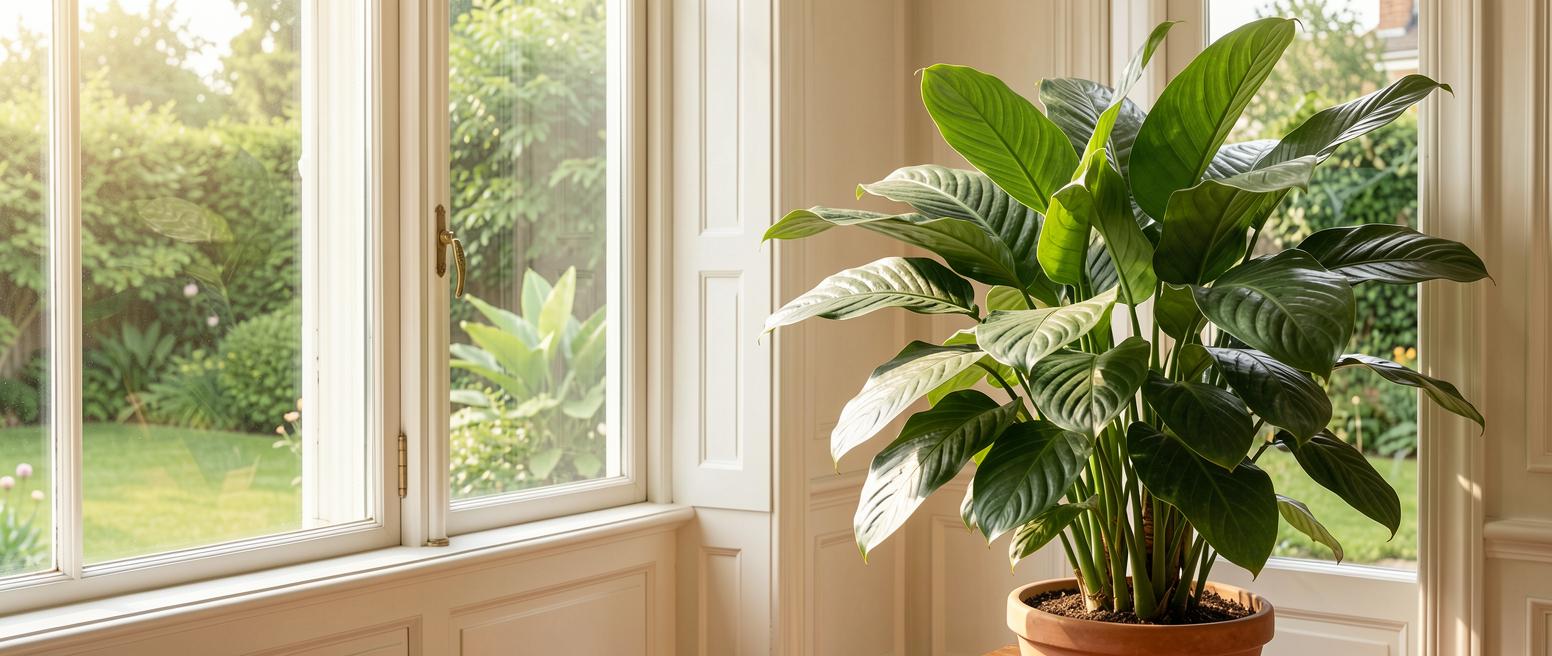
A struggling plant is usually not getting the wrong amount of water, but the wrong amount of light. And unlike soil or fertilizer, light is something you cannot replenish: you can only move the plant.
Location at a glance
There are over 390,000 plant species worldwide, and each has its own preference for light, temperature, and water. However, you don't need to know all of them. In practice, it comes down to three locations in and around the house, and the ability to read what your plant thinks of it.
Measuring light indoors

Indoors, the easiest way to measure light is in meters from the window. Close to the pane, the light is bright and direct; three meters away, only a fraction remains. The difference is much greater than the eye suggests.
Also, pay attention to the direction. A south-facing window provides direct light for a large part of the day, while a north-facing window almost never does.
In the garden, it works differently: there, the shade of a tree, a hedge, or a wall determines how many hours of sun a spot gets per day. Observe on a sunny day for how long the sun is on that spot; that number is more useful than any rule of thumb.
Sunny spot
Plants that require sun need at least five to seven hours of direct light per day. This promotes growth and visibly increases ornamental value: more compact growth, sturdier leaves, and more flowers for blooming plants.
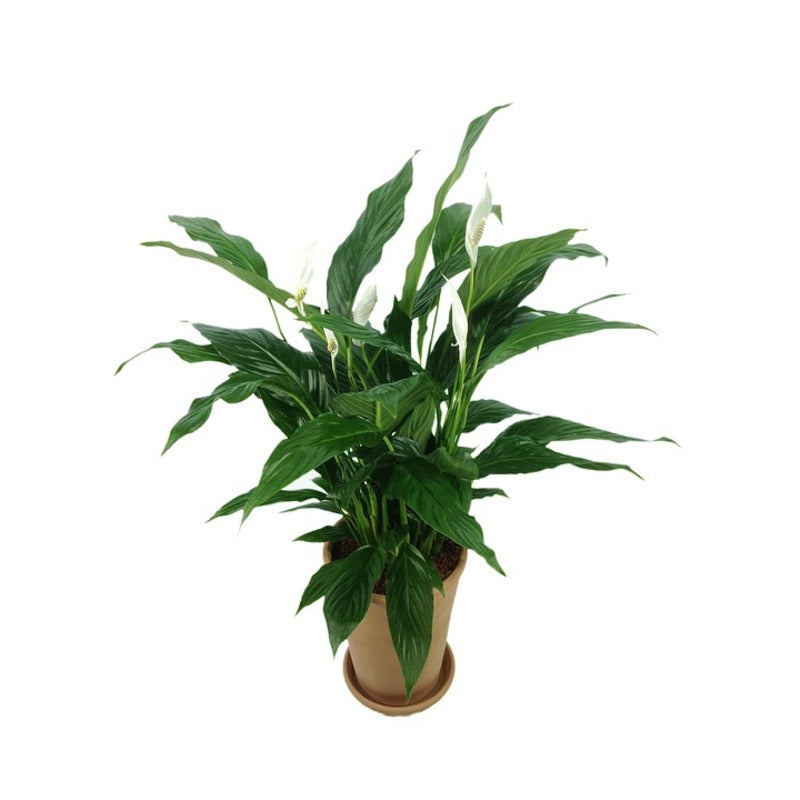
- Houseplants: as close as possible to the window, where the sun shines directly for about five hours.
- Garden plants: an open spot without overhanging branches or a shade-casting wall.
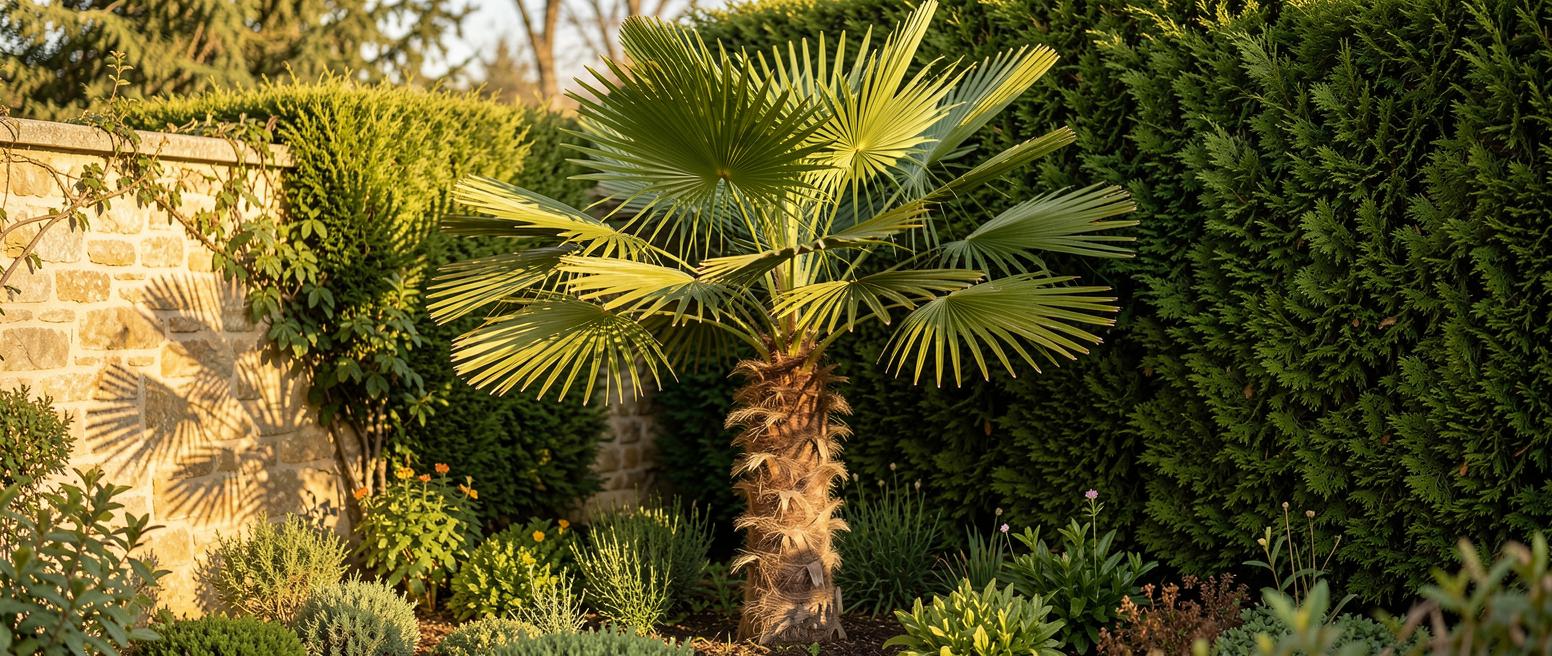
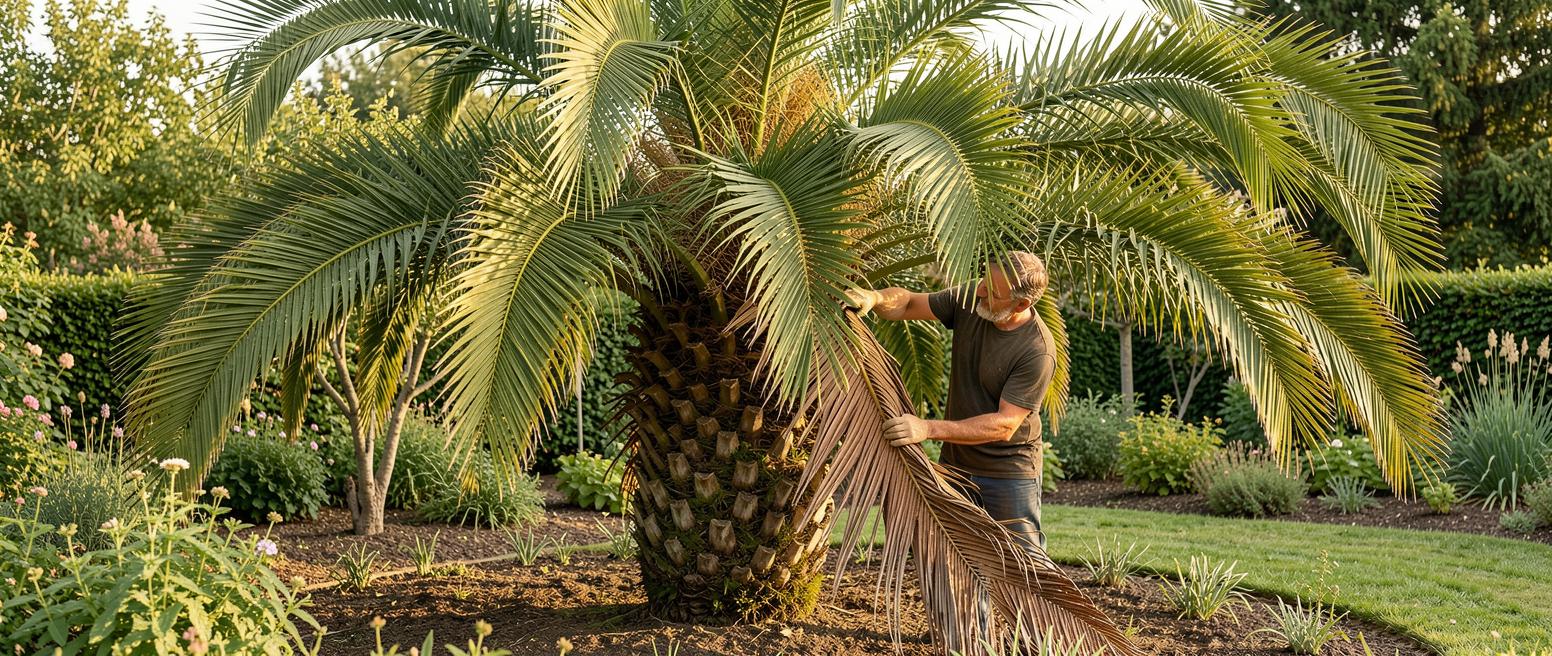
- Flexible varieties: many sun-loving plants survive perfectly well in a shadier spot. A palm, for instance, will simply grow a bit slower.
Partial shade
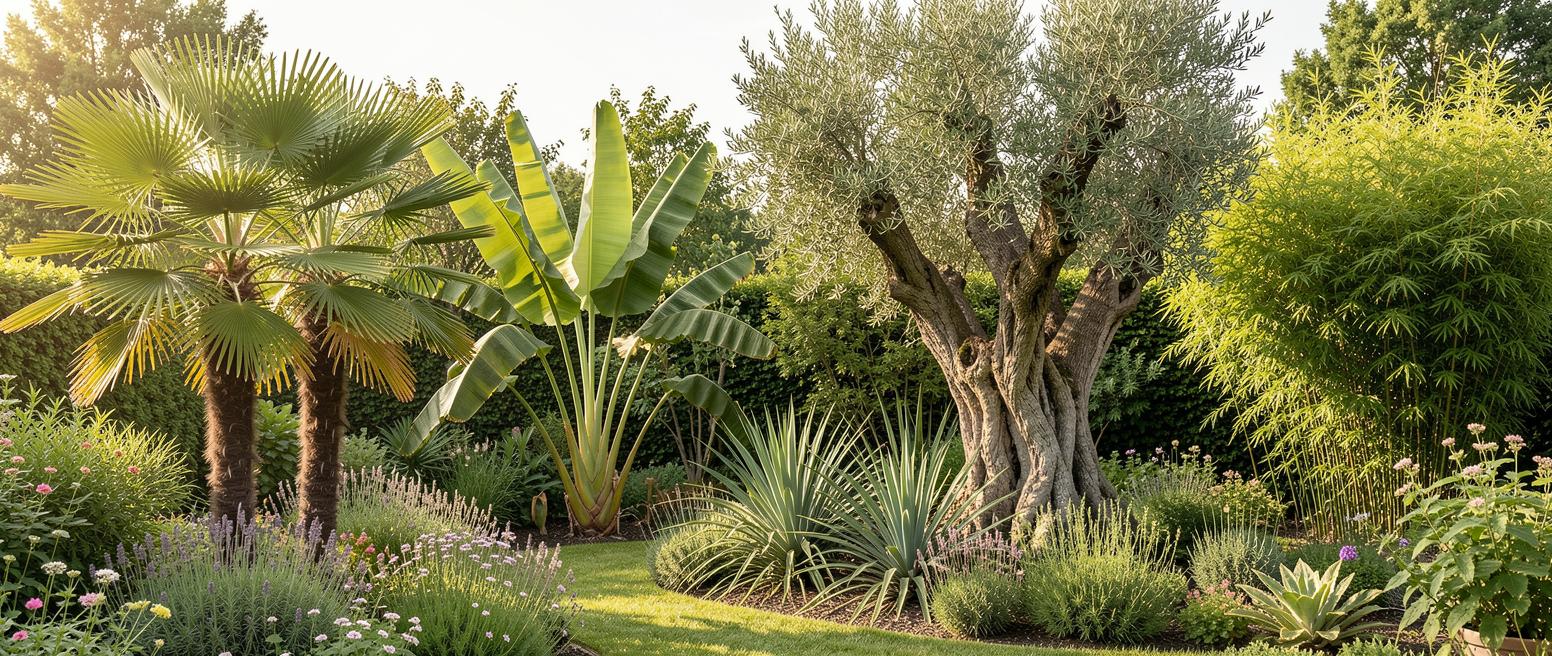
Partial shade is where most plants thrive, precisely because their leaves do not wilt under intense midday sun. Outdoors, this means a spot where a tree or hedge partially blocks the sun, but where there is still an average of two to five hours of sun available.
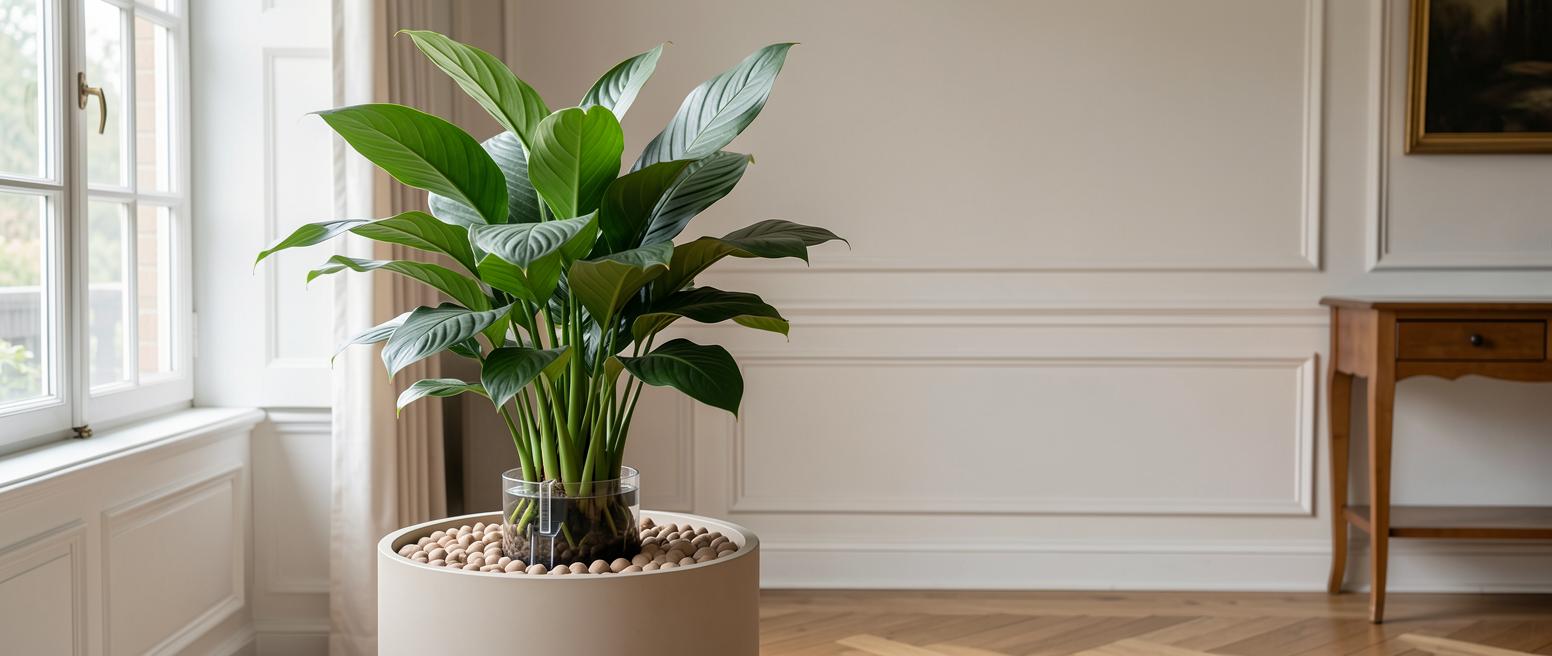
Indoors, partial shade is about two to three meters from the window, where the sun shines brightly for three to five hours. If you are unsure about a plant, this is usually the safest first choice.
Shade
If a plant asks for shade, truly give it shade. In full sun, you'll get withered leaves. For the garden, shade means no more than about three hours of full sun per day. Place such plants close to a wall or use them as ground cover under a larger plant, for example, under a palm. Ferns are known for this preference.
Shade is not darkness. Even a shade plant needs light. Indoors, shade means about three meters from the window with less than three hours of sun per day, not a corner without daylight.
Why it matters
The most visible advantage of the right location is its ornamental value: fuller growth and healthier leaves. But there's more to it. An air-purifying houseplant works better when it gets the right number of sun hours, and flowering plants display their blooms more often and for longer.
Acclimatizing gradually
Almost every houseplant can tolerate full sun, except for varieties that explicitly require shade. However, the move is the sensitive moment: a plant accustomed to low light will burn if suddenly placed in full sun.
Move the plant a little closer to the window every two to three days. This way, you gradually increase the light intensity over two to three weeks, and the leaves adapt.
Signs of a wrong spot

The plant itself indicates whether it is in the right place. Pay particular attention to the color of the leaves and the shape of new growth.
Too much sunlight
The leaves discolour, usually turning yellow, and can wither at the edges. Note: yellow leaves can also be caused by too much water. Therefore, always feel the soil first before moving the plant.
Too little sunlight
Too little light causes leaf loss and stunted growth. Typical signs are long, thin stems with small leaves: the plant stretches out in search of light. Gradually move it to a brighter spot.
Light throughout the year
The ideal location shifts with the seasons. A spot that is too bright in July might be just right in November. Therefore, move your plants twice a year instead of giving them a fixed spot.
What to do when
Gradually move plants closer to the window or outdoors again. Never all at once.
Protect delicate leaves from the intense midday sun behind glass, for example with sheer curtains.
Light decreases. Move plants closer to the window and clean the panes.
Place plants in the brightest possible spot, but not directly above a warm radiator or in a draft.
Are you unsure about your plant's location?
Send us a photo of the leaves and the location, and we'll take a look with you. The recommended location for each species is also listed on every product page.
Ask your question
Share:
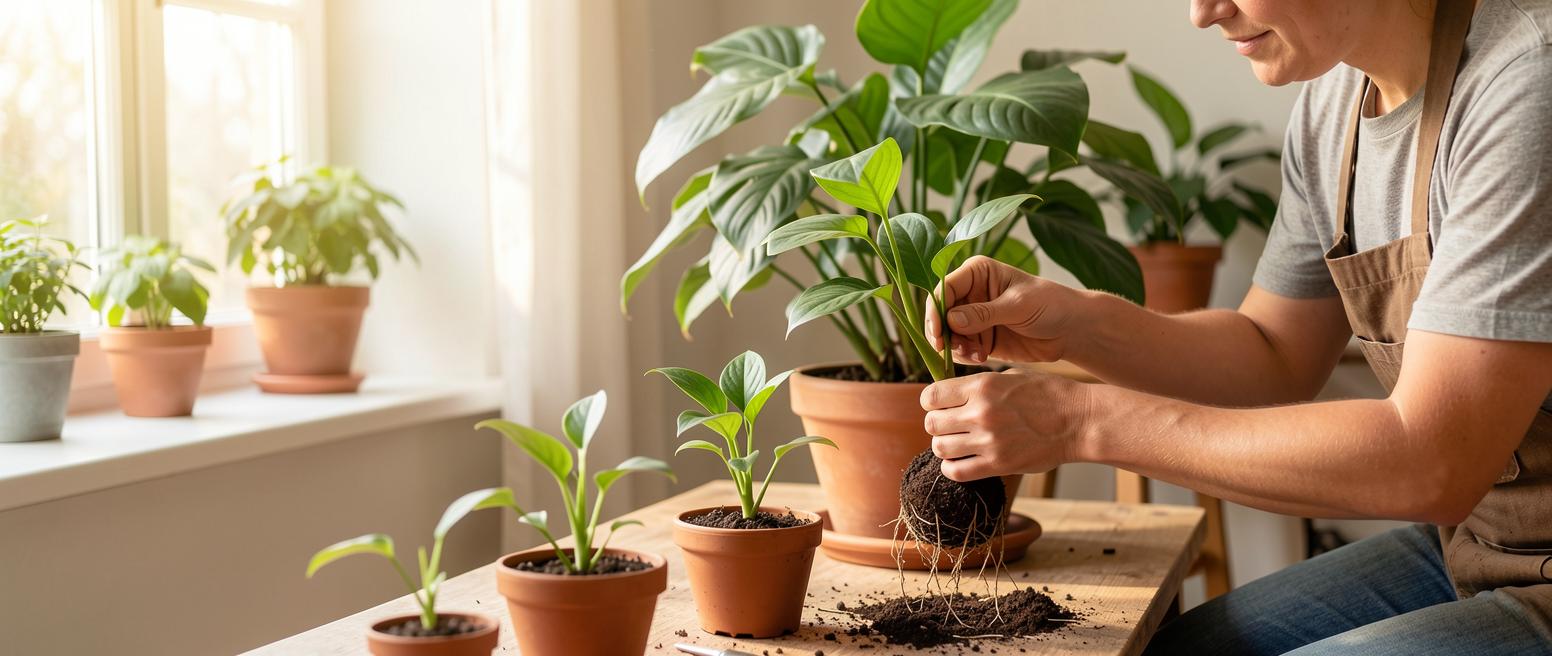
Propagating a plant
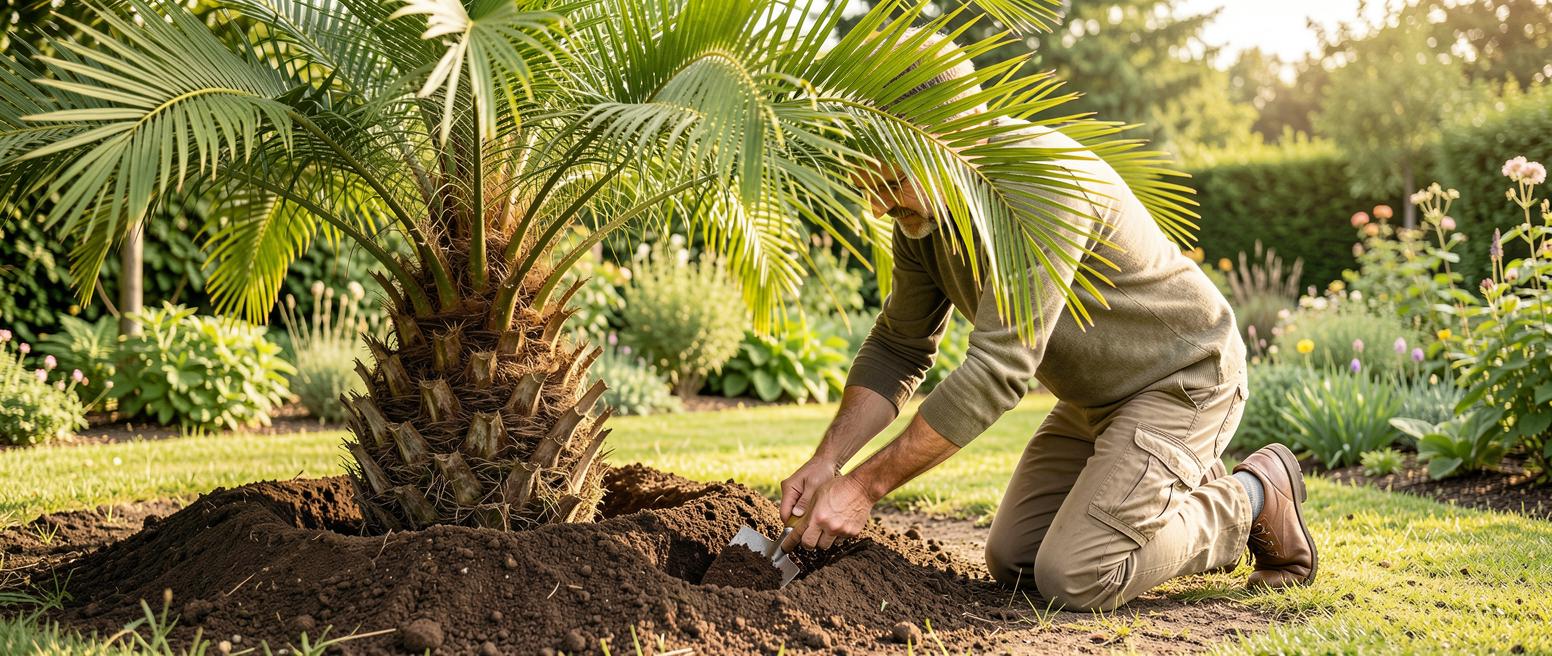
What is the best way to plant a palm tree?